The Farms of Whitchurch
By Thomas Ernest Broad, March 1991
Coming from the North of Whitchurch, you would see, up to 1930, the Mental Hospital farm on the right hand side of Merthyr Road. At this point firstly there is the slaughterhouse, and the fields around it with a few cows there. Going further down the road, there was the main farm, with pigs, sheep and chickens. Also there was a large vegetable garden. The Hospital was self-contained for meat, vegetables and all dairy products.
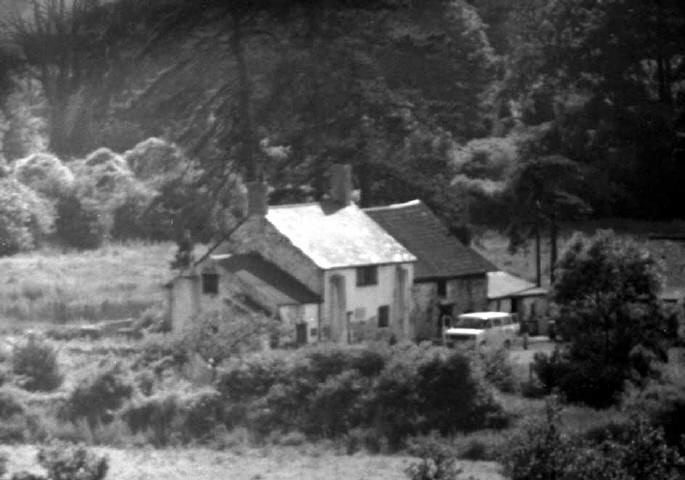
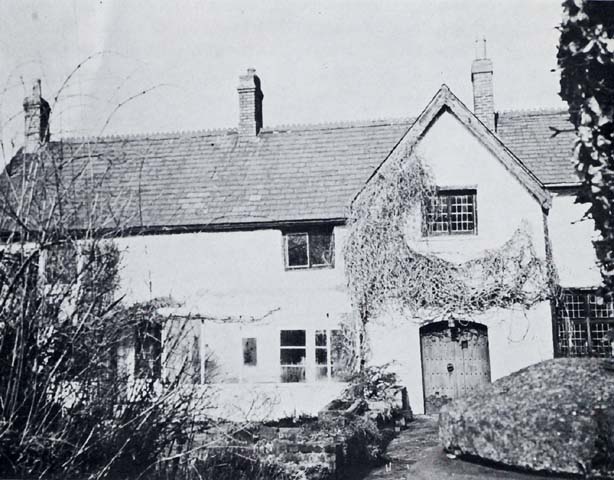
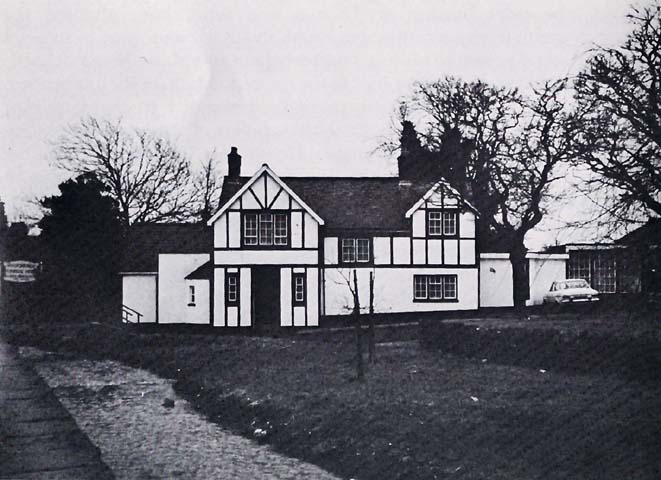
Not very far away was Forest Farm, a large farm with Forest Hall at the Entrance. This old rambling house had numerous outbuildings, ringed by giant fir trees. One day myself and three school friends decided to rob the crows nests in these trees. Climbing these trees was a very though job. Terry Pearce one of the boys climbed his tree, took an egg and put it in his mouth to enable him to climb down with both hands. He lost his footing and fell to the ground, his shoulder was broken, and also his jaw. We carried him to into one of the farm cottages, and Cyril Price went to inform the police, for them to get an ambulance, It came after a wait of three hours. The tenant of Forest Hall was Mr. Spence Thomas who was the Manager of Melingriffith Tinplate Works and was in work when this happened.
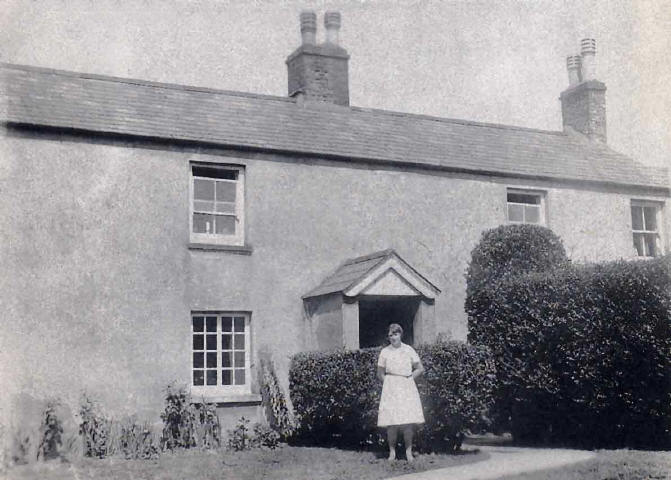
Close to the Hall stood the bailiff's cottage, a very old stone building. It was occupied by Mr. Phillip Young and his family. There was a farm girl working on the farm, called Violet Jones she was a sister to Miss Jones who kept a Cafe in Merthyr Road, Whitchurch. This girl used to feed the pigs and chickens, kill the chickens, feather them and sold them for 25 new pence.
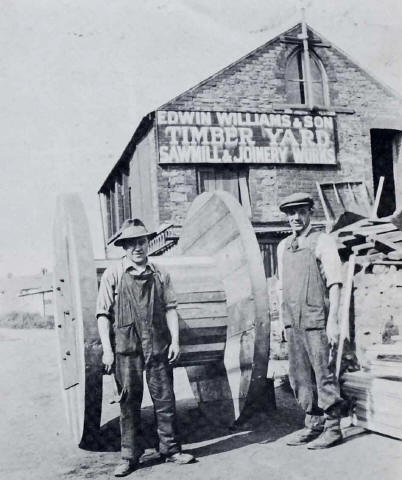
There were two barns on the farm, a row of pigsties, cowsheds, and chicken runs. In 1935 working for Edwin Williams & Son. Builders, I was in charge of the job for renovating the farm buildings, and erecting new cowsheds. The large barn had to be re-erected with corrugated asbestos sheeting. I was fixing the bottom sheets and my mate fixing the top. As we were working on this, our labourer Mr. Windsor Jones came with the handcart and material. With him was my big terrier, Prince. He used to follow the hand cart every day. Being blind he kept close to the handcart. As they came into the farmyard, a cow with its calf entered the yard. When the cow saw the dog, it lowered its head to charge at Prince. The dog must have sensed danger and ran into the field at the back of the barn. Walter Griffiths, my mate started to laugh and said "come up here and look at your Prince". There was Prince trying to mount a sow in the field. When the dog was on the sows back, the sow sat down. Prince then moved to the next one as there were six sows on the field. Prince had no satisfaction from any of them.
Another very funny incident happened when Tommy Nineinch was pointing the wall above the pigsties. He was standing on the top of a batten ladder, the foot of which rested in the sty, a porker dashed out and struck the bottom of the ladder causing Tommy to fall into the sty. The fall did not injure him, but all the porkers who were in the sty were biting his face and legs, and he was yelling blue murder. Tommy's nickname "Nineinch" was because he was only 4' 10" tall and was a bricklayer. He was one of the finest workmen I ever knew. At another time he was working on a long pole ladder when a big sow rubbed against it causing it to tilt. It nearly frightened him to death.
Behind Forest Farm were some fields which were worked by Mr. Harmer, who during the 1939-45 War had land girls working for him. At the rear of Forest Hall were a number of outbuildings, one of which was a large garage, which contained an eighty gallon paraffin oil tank. In 1937 this tank caught fire which spread to the other outbuildings. In one was a hundred bottles of various wines and spirits. Given the job of assessing the renovations of these buildings, I went to measure up the materials required. Seeing these cases of drink, I asked Mr. Spence Thomas what to do with them? He said "throw them away" as the contents would be burned owing to the fire. But when we started to rebuild, I tasted the wine and found it to be quite good. So every night after finishing work, we had a good drink. I enjoyed every minute I worked on Forest Farm.
Leaving Forest Farm and going along Ty Mawr Road, you came to Great House Farm from which the road was named after. The tenant was Mr. Ivor Anthony. He farmed the land down to the River Taff. When Whitchurch Mental Hospital was being built, his son David Anthony hauled materials for the job with their shire horses.
When the roads of the Hospital were made by McAdam, David went to work for the firm. He liked the job so much that he travelled with them on other jobs. David had three sisters, one of whom was Bessie. She owned a Furs and Gowns shop in High Street, Cardiff. She married Jimmy Rogers of Rogers and Davies, Building Co. They lived in a large red brick house Jimmy had built in Cathedral Road, and they had one daughter named Zoe. She became a film star.
My uncle David Anthony used to tell me about the ghost that was in Great House. It took the form of a roaring lion, which happened now and then. It was always worse when it was rough weather. One day they were taking down a boundary wall which had been unsafe for some time. When it was pulled down, they found an iron door set in the wall. When this was forced open, there was a great gush of wind and a roar like a lion - "thus the ghost". Mr David Anthony met with a tragic end.
Retracing our way to the Whitchurch Village, we see on Tyn Y Pwll Road a farm kept by Mr Billo Davies. This was a small dairy farm. Further along in Tyn Y Parc Road were two farms within a hundred yards of each other. The first one was Mr. Robert's who farmed half the land where Cae Delyn Park now is. The other farm was kept by Mr. Victor Skeats. There was a public footpath going through the farmyard which led to Glan y nant Terrace. Years ago there was a big fire in which several shire horses perished.
Going down Heol Y Nant Road, you passed over a wooden footbridge leading to Whitchurch Railway Station. There was a farm on the right hand side approached by a wooden bridge over the Whitchurch Brook. This farm worked the other half of Cae Delyn Park.
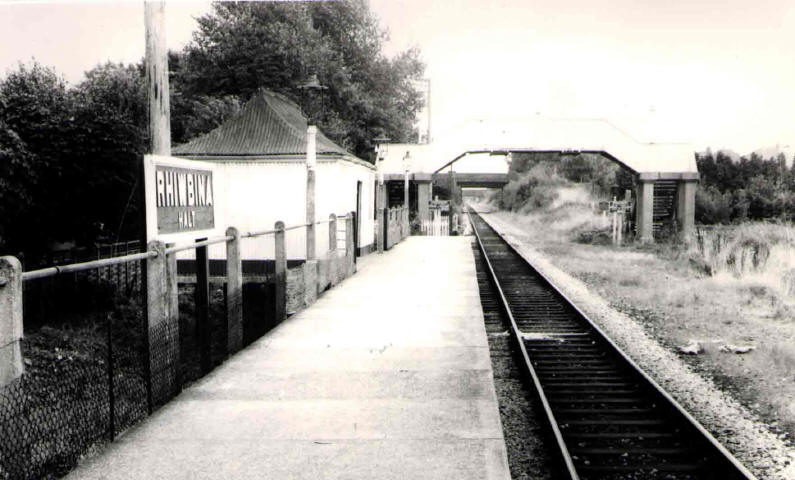
Crossing the Rhiwbina Station bridge and proceeding up Beulah Road on the right hand side was a road leading past the Butchers Arms Public House, you then came to a farm worked by another Mr. Wride. This farm's boundary was Thornhill. Cutting through the fields towards the Wenallt, you came to Scythlan Fryth Farm which was worked by a Mr. Thompson. This farm was on the banks of Whitchurch Brook flowing at the bottom of the Wenallt. It supplied dairy products to the top half of Rhiwbina. At the top of the Deri in Rhiwbina was Mr. Ivor George's farm, He farmed the slopes of the Wenallt. He was a very mean man. At one time, there was a sheep caught on a barbed wire at the foot of the reservoir. My wife's brother who worked on the reservoir was asked by Ivor George to help him free the sheep. After they had set the sheep free. Ivor George gave my brother in law two pence in old currency.
Half way up the Wenallt Road on the right hand side was the Charlie Wride's farm. This was approached by fording a stream which flowed around the farmyard. The boundary of the farm was half way up Thornhill. I loved to get up early at about August and walk to Wride's farm, where I could gather mushrooms, blackberries, and watercress. Upon knocking on the farmhouse door, Mr Wride would open the door. I would ask his permission to go onto his woods and fields. He would say "Certainly., but see that you shut all the gates behind you." He would then ask your name. Upon telling him my name was Ernie Broad, he would say "I know your grandfather very well, come in and have a glass of fresh milk". I was always welcome on that farm.
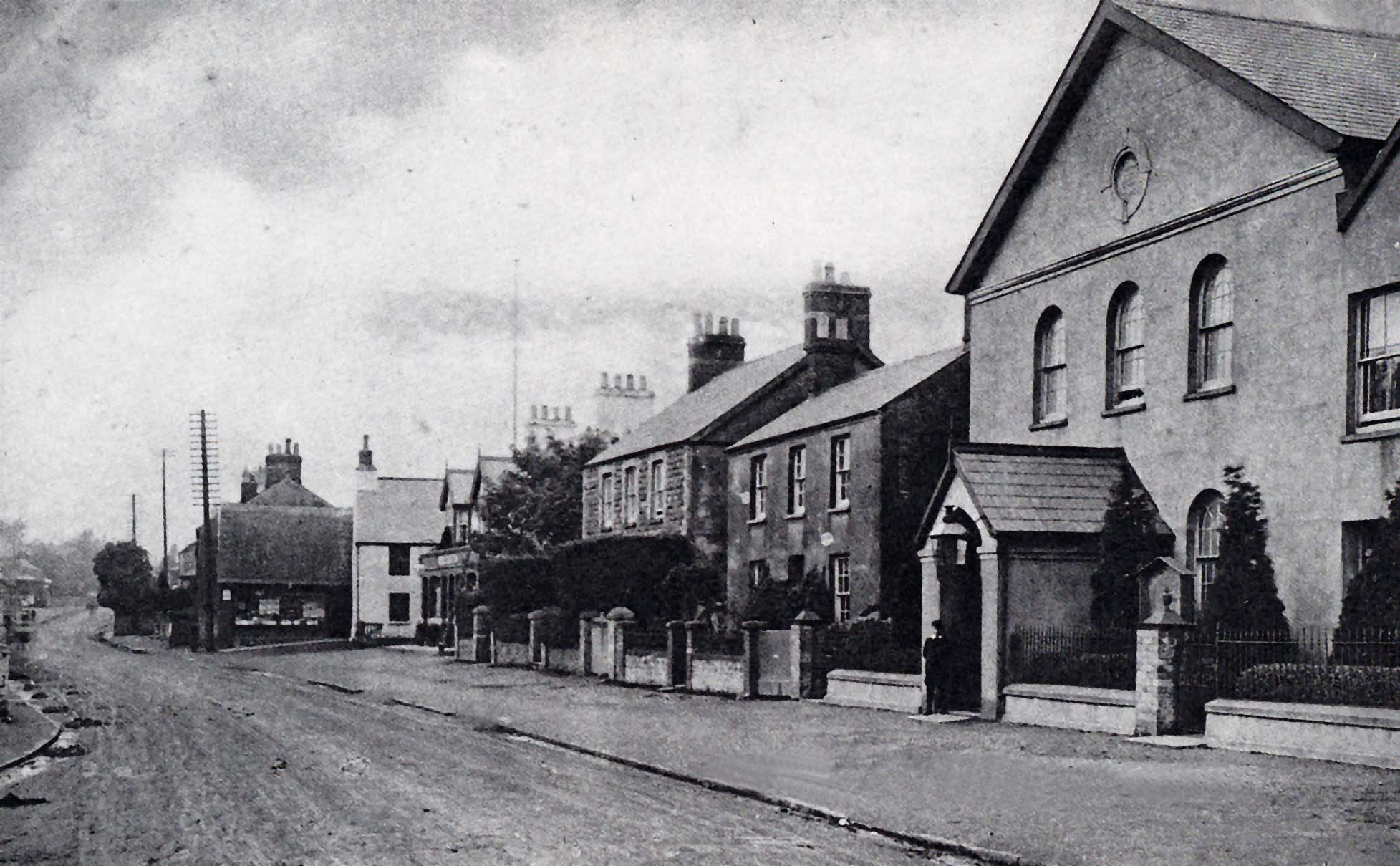
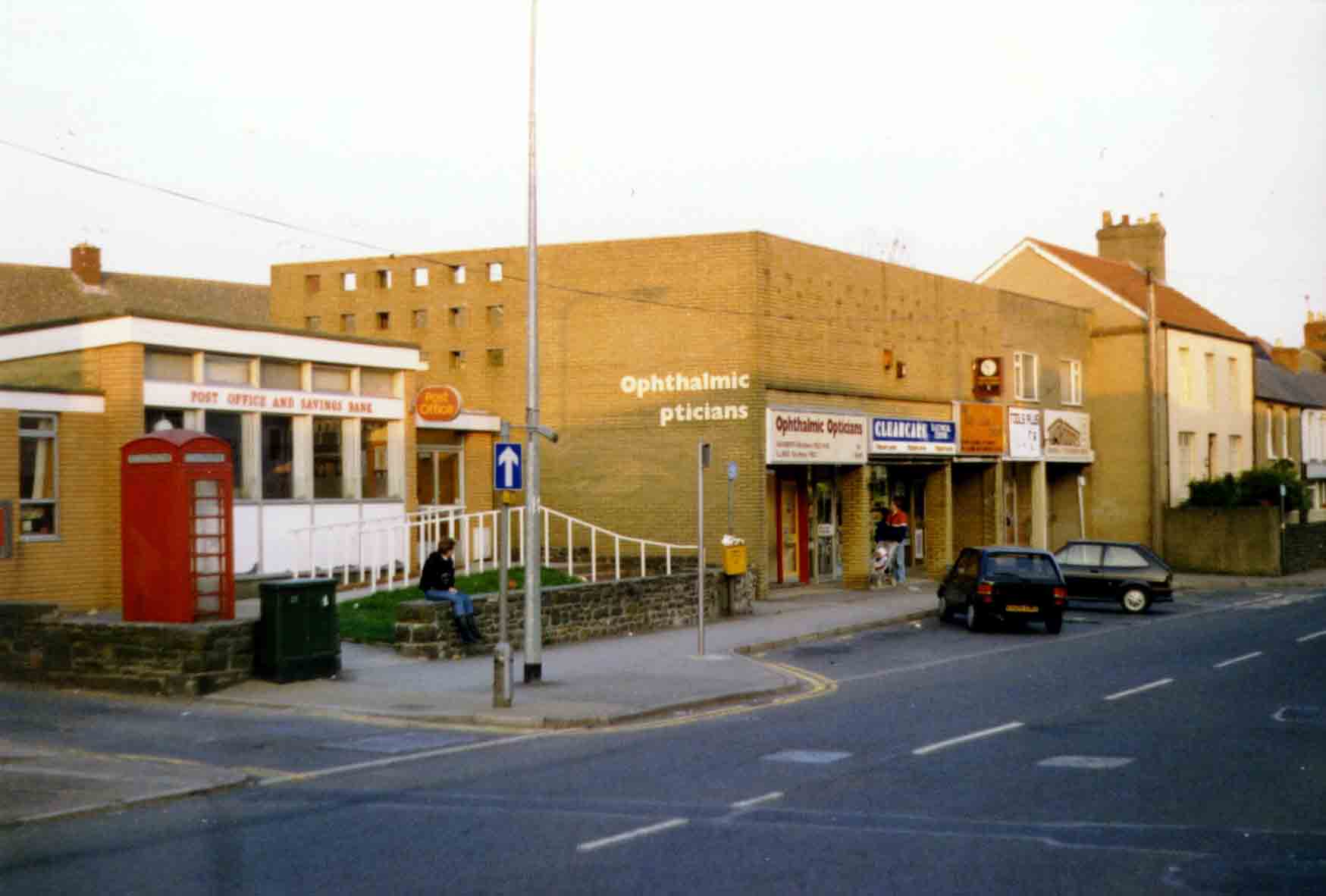
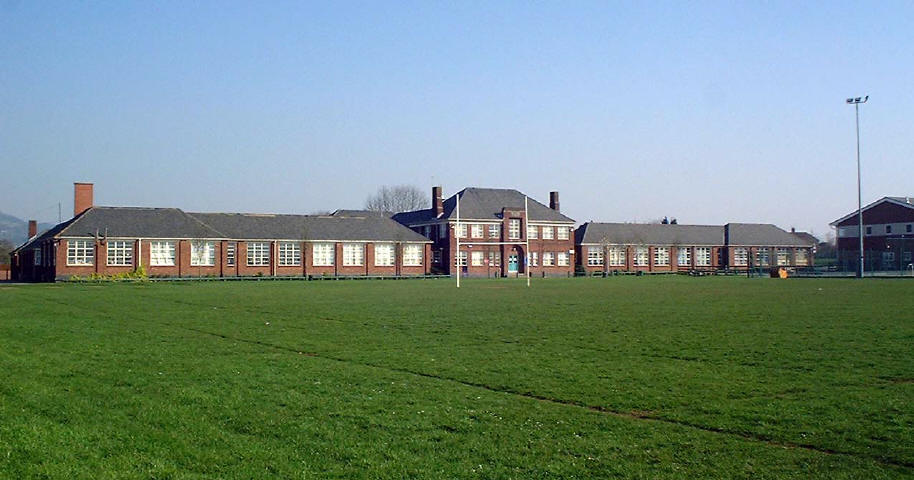
In the middle of Whitchurch was Mr. Tom Samuel's farm, situated where the Post Office now stands. The cows had two pastures. One at the rear of the farmhouse, where going through the paddock, and crossing over an old stone bridge over the Whitchurch Brook, they entered the field where now stands the Whitchurch Grammar School. The other fields were over the main Merthyr Road and down Bishops Road. There were no houses after the Parish Council Offices, which is now the clinic, until you reached Ivy Cottage where lived the Coachman for Wingfield House.
Mr. Samuel had a son named George, who would not work on the land, so his father had the shop and flats over built which George then managed. It sold hay, corn and seeds. This is where the newsagents now are. He also had the place built which is now the "cheap shop". This is so high to allow the lift to operate. In this building was a gas engine to cut chaff and slice mangold's. The chaff was bundled there into bales which were lowered down from the top floor in the lifts. This lift is still there.
The pigsties on this farm were next to the old stone cottages called Malsters Row. These cottages possessed one room and a scullery down, and two bedrooms upstairs. One of the cottages was occupied by the Harris family, who had four four sons and two daughters, making eight in the cottage, I don't know how they slept there. One day Mr. Samuel missed a pig. He thought it had broken out of its sty. But the truth was that all the Malsters row had Sunday dinner that week and it was pork and apple sauce.
About three hundred yards from Samuels farm on the same side was Mr. Fred Hales farmhouse. This was a large house called Penline owing to the fact it was built on Penline Castle ground. It had five bedrooms and a bathroom, which was a luxury in those days. There was a large cellar running the whole length of the house. At the back of the house was a dairy in which Mrs. Hale always made bee's wine. This wine was similar to mead. It was made with honeycombe which moved up and down in the wine jars while it was fermenting.
There was stable also at the back of the house where was kept the milk cart and pony. Against the large garden wall was a big greenhouse which housed a grapevine. There is a large, lovely bungalow now standing in what was the garden of this house. Mr. Hale's rickyard over the road approached from a lane off Merthyr Road. This is now Blandon Way. There was a large rick there which my grandfather built in his spare time. Also there were stables in which were kept his ploughing horses. The threshing machine would come to thresh the corn which was stored in the rick along with the hay. When it came to the bottom of the rick, dozens of rats would run out in all directions. One day my Aunt, Mrs Stephens, who adopted me, was watching the threshing and a rat ran up her leg. She grabbed it inside her clothes and ran home. When she took her clothes off, she found the rat was dead. She held it so tight, it had suffocated.
Down the road where the Funeral Home now stands were Mr. Hale's cowsheds and a yard where was a mangold slicing machine. Mr. Tom Mansell was the cowman, his wife was a midwife in the village.
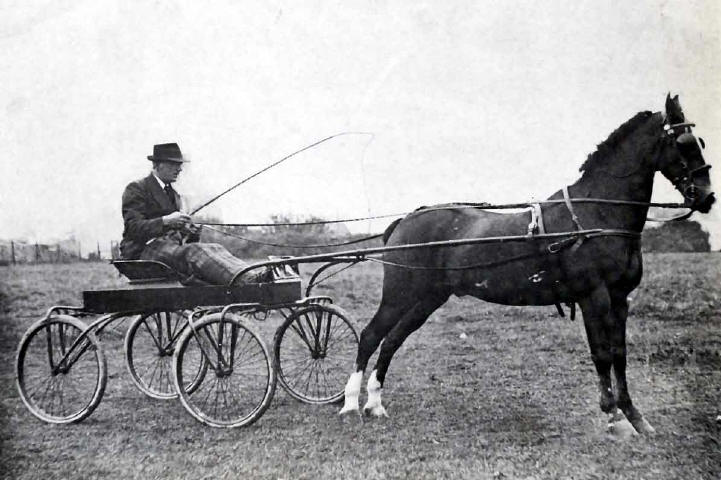
At the entrance to the Polo Field by the cowsheds was the Polo House in which a Mr. Johns lived. He looked after the polo ponies which were in the stables, against the cowsheds of Mr. Hale. The house was renovated and it still stands there. The Polo Field was fourteen acres, a very large field. The was a large pavilion on the field where the polo players had their tea. I saw a balloon ascend from there when I was a child. It was never seen after crossing the Bristol Channel.
The land worked by Mr. Hale reached from where St. David's Road is to the end of Station Road in Llandaff North. He had to cross the Taff Vale Railway line at Wingfield end to get to his fields there. He had a ploughman named Herb Clare, whose foul language was much appreciated by the boys of the village. He would plough a field and swear without stopping all the way. He lived at Number 80 Merthyr Road and kept pigs at the bottom of the garden.
Mr. Hale had three daughters, and one son who was killed in the 1914 War. His eldest daughter Kathleen eloped with Captain Otto Jones, who became Colonel Otto Jones, and they lived in Lanelay Hall, near Cowbridge. The next one Fanny married Captain Jack Dyer and lived in Rhiwbina. The youngest, whose name was Isobel, who drove the milk cart married Doctor McMabon, an army doctor. Her son Leo also became a Doctor, and is now practising in Whitchurch. She became a Justice of the Peace and lived in Church Road, Whitchurch. Mr Hale was a voluntary Fireman, also a Special Constable. After he retired from farming, he became a Justice of the Peace.
On the Whitchurch Common, alongside the brook was the Waun Farm. This was a large farm with three large barns. There was a dairy attached to the farmhouse, where you could have buttermilk free by asking for it. It was in the Phillips family for many years. The land reached from College Road to the Three Horse Shoes Hotel, being bounded by the Taff Vale Railway. All this land is now built on. After the Phillips a Mr. William Davies lived there. In 1937 there was an outbreak of Foot and Mouth disease on the farm and all the cows had to be destroyed. They dug a big trench where Heol Gabriel is and burnt the cows in it. I was living right opposite then, and the stench was terrible.
One of the old barns was taken over by Mr. Hugh Davies, the blacksmith, and the yard next to it also with a barn, by a haulage firm called Nesbitt. The granddaughter of the last Mrs Phillips is my next door neighbour.
At the end of Whitchurch Common was Flay's Farm, this reached down down to the Taff Vale Railway line, they had the contract of clearing the rubbish of Whitchurch and Tongwynlais. They had shire horses to pull the dustcarts, and all the sons worked walking miles. There was Bill the eldest, Vivian the youngest, Laurence and Cliff, and another whose name I have forgotten. When their contract with the Cardiff Rural Council ended, they started a furniture removal business. It did so well that they had a branch in Wandsworth in London.
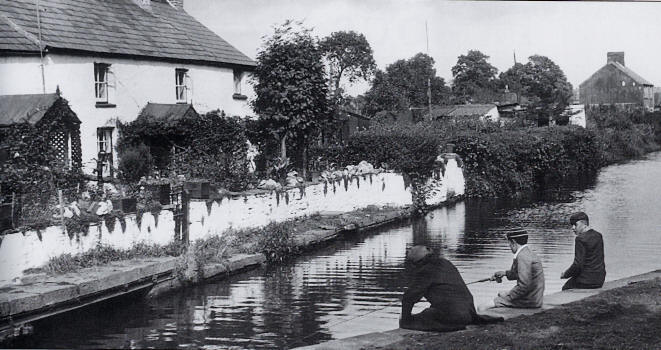
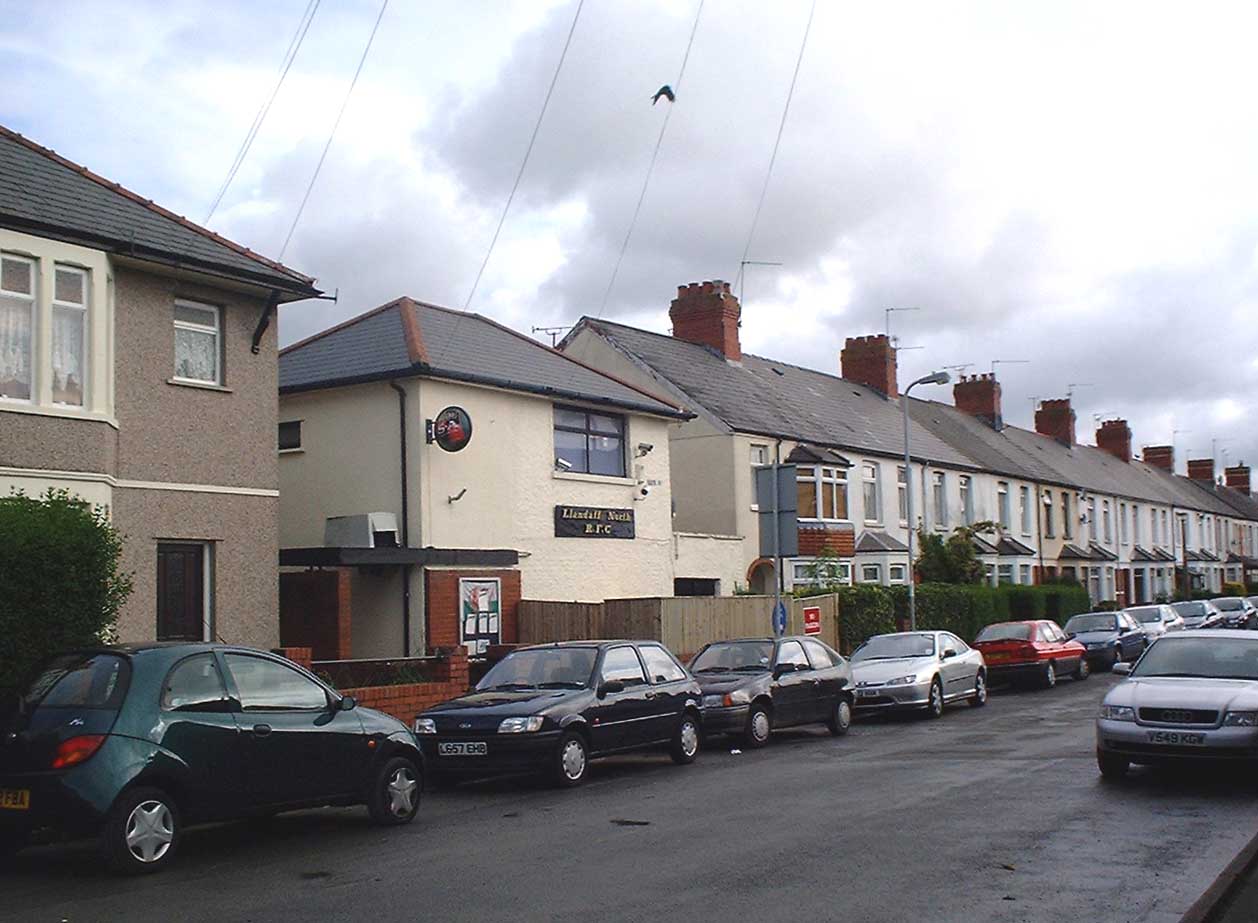
The last farm to be told is the College Road Lock farm. This was situated at the end of College Road near the College Road canal lock. There was a barn at the beginning of the road to the farm and the land reached to Gabalfa Lock on the Glamorgan Canal. There was a field belonging to it by the canal where Llandaff North Rugby Club used to play.
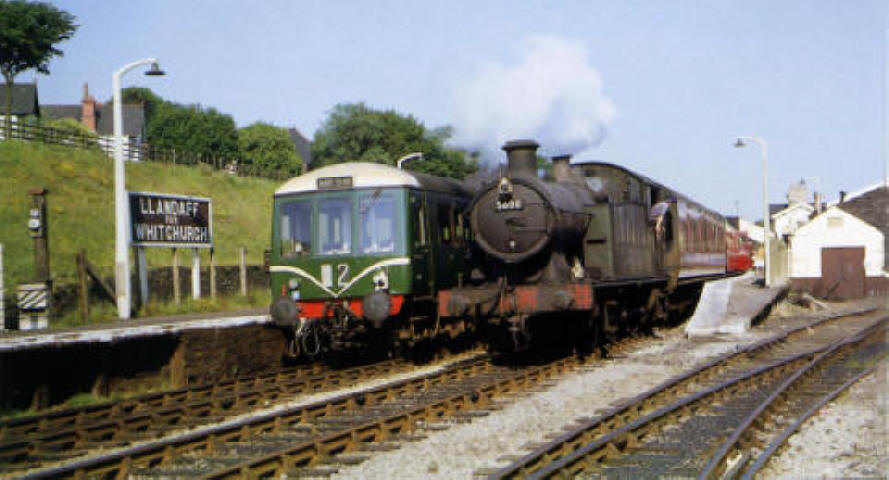
At this time Llandaff North was governed by the Whitchurch Parish Council and the railway station nameplate said "Llandaff for Whitchurch". The lower end of College Road was called the "Freehold" owing to the fact that it was all freehold property.
I will say on ending this story of the Whitchurch Farms that it was a much better time to be living in then. All doors were "On the Latch" for neighbours to come in with their troubles, or celebrations. Everyone helped one another and no one was afraid to go out at night. If you passed anyone in the dark, you would hear "Good Night" and know that you were safe.
By Thomas Ernest Broad, March 1991